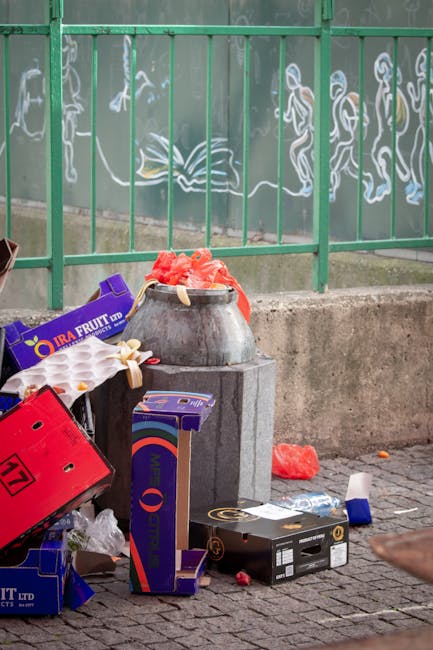
Maltby Street market waste removal in Bermondsey before and after
Posted on 17/07/2026
Maltby Street Market has a certain rhythm to it. Early setup, a burst of trading, clattering boxes, food prep scraps, packaging, a few last-minute dashes for supplies, and then the after-hours clear-down that decides how the next day will feel. If you are looking into Maltby Street market waste removal in Bermondsey before and after, you are really looking at two very different jobs: the pre-service tidy that prevents chaos, and the post-service clearance that restores order fast.
In Bermondsey, space is tight, access can be awkward, and waste piles up quicker than people expect. That is why a sensible waste plan matters so much. This guide walks through what happens before and after a market session, what good removal looks like in practice, who needs it, and how to avoid the usual headaches. It is written for traders, organisers, nearby businesses, and anyone who has ever looked at a growing pile of cardboard at 5:30 p.m. and thought, well, this is not ideal.
For broader local context, you may also find our pages on waste removal in Bermondsey and commercial waste removal for local businesses useful when planning ongoing collections rather than one-off clearances.

Why Maltby Street market waste removal in Bermondsey before and after Matters
The phrase "before and after" sounds simple, but on the ground it captures the whole difference between a smooth market day and a messy one. Before trading starts, waste removal is about prevention: emptying back-of-house bins, removing leftovers from the previous day, clearing broken packaging, and making sure traders begin with a clean footprint. After trading ends, it is about speed, sorting, and getting the site back to a safe, usable state without leaving anything smelly, slippery, or in the way.
At a market like Maltby Street, waste is not just rubbish. It includes food waste, cardboard, drink containers, packaging film, broken displays, disposable gloves, old produce crates, and the bits that somehow end up everywhere no matter how organised people try to be. Let's face it, market waste has a habit of multiplying when nobody is watching.
Why does this matter so much in Bermondsey? First, there is the practical issue of space. Streets and yards around busy market sites are not forgiving. Second, there is customer experience. A clean, well-managed market feels more professional, more welcoming, and a lot safer underfoot. Third, there is compliance. Market operators and traders need to handle waste responsibly, not just because it looks better, but because waste left unmanaged can create nuisances and avoidable problems.
There is also a reputation angle. People remember the smell of rotting produce or the sight of overflowing sacks. They notice the clean reset too. In fact, a tidy before-and-after cycle can quietly become part of the brand. It says the market is run properly. That may sound small, but in a place that thrives on atmosphere, small things are not small at all.
How Maltby Street market waste removal in Bermondsey before and after Works
A good system is usually built around two separate phases. The before phase prepares the site. The after phase clears the site quickly and safely. If both are handled well, traders waste less time, the market opens more cleanly, and the end-of-day reset becomes predictable rather than chaotic.
Before the market opens, waste teams or traders themselves may remove any waste left behind from the previous trading day. This can include cardboard collapsing in the rain, food packaging from deliveries, or mixed rubbish that should have gone out the night before. Bins are checked, sacks are replaced, and recyclables are separated where possible. If a larger commercial load has built up, it may be taken away in advance so traders do not start with clutter around stalls or access points.
After the market shuts, the process changes. The key priorities are:
- collecting waste from each trader or designated point
- separating recyclable materials from general waste where feasible
- removing bulky items that cannot stay overnight
- checking for spillages, broken containers, and loose debris
- loading waste efficiently so routes and loading times are not wasted
In practice, waste removal can be handled as a one-off collection or as a recurring service. Markets with predictable trading schedules often prefer recurring arrangements because they reduce stress and make the whole thing feel less like a weekly scramble. A one-off can still be ideal for events, seasonal surges, or special trading weekends when the usual waste volume gets a bit out of hand.
If you want a fuller view of how collections can be structured for different settings, our services overview and rubbish collection in Bermondsey pages show how broader collection needs are often arranged around the same basic principles.
Key Benefits and Practical Advantages
The obvious benefit is a cleaner market. But the real value goes further than that. When the before-and-after process is handled properly, the market tends to run more predictably, staff spend less time firefighting, and traders can focus on what they do best: selling food, drink, or goods without dragging bins and sacks around.
Here are the practical advantages people usually notice first:
- Safer walkways: less loose rubbish means fewer slips, trips, and awkward obstacles.
- Better presentation: a tidy site feels more premium and more inviting.
- Faster opening and closing: waste is not being dealt with ad hoc while customers are arriving or leaving.
- Improved segregation: recyclables are easier to separate when waste is managed consistently.
- Reduced odour: especially important in food-led markets during warmer weather.
- Less stress for traders: because nobody enjoys hunting for somewhere to dump a pile of flattened boxes at the end of a long day.
There is a less obvious benefit too: waste control can support the flow of stock and deliveries. A clear service area means suppliers can move in and out more easily. That matters in a market environment where timing is tight and everyone seems to need the same narrow stretch of pavement at once.
Expert takeaway: in market settings, waste removal is not a final clean-up. It is part of operations planning. Treat it that way and almost everything gets easier.
Who This Is For and When It Makes Sense
This kind of waste removal is relevant to more people than you might think. Obviously it matters to market organisers, stallholders, and food vendors. But nearby cafes, pop-up retailers, delivery teams, and event organisers can all benefit from the same before-and-after structure.
It makes sense when:
- you trade at Maltby Street regularly and generate predictable waste
- you run a pop-up or seasonal stall and need a clean reset each day
- you manage a food, drinks, or produce business with packaging and organic waste
- you have bulky items to dispose of after fit-out, refresh, or repair work
- you want to reduce the burden on staff so they are not handling waste as an afterthought
It also makes sense if your team is small. A lot of market businesses are run by people who are already doing too much. Serving customers, restocking, cashing up, checking deliveries, wiping down surfaces - and then someone has to wrestle cardboard into a corner. That is where outside waste support can be a relief rather than a luxury.
For people balancing market trading with broader commercial needs, our commercial waste removal page and office clearance service are useful reference points for understanding how business waste can be handled more systematically.
Step-by-Step Guidance
If you want the process to run cleanly, keep it boring in the best possible way. Simple, repeatable, no drama. Here is a practical sequence that works well for market waste removal before and after:
- Identify what is being removed. Separate general waste, recyclables, food waste, and any bulky or awkward items.
- Check timing. Decide what must go before trading starts and what can wait until the close-down window.
- Set a collection point. A single, clear pickup area saves time and stops waste being scattered across the site.
- Use suitable sacks, bins, or containers. Weak bags split. Overfilled containers topple. Neither is fun.
- Keep hazardous or restricted items separate. If anything unusual appears, do not mix it into standard rubbish.
- Confirm access. Make sure the team collecting waste can get in and out without blocking traders or customers.
- Remove waste in an orderly load sequence. Heavier, cleaner, or bulkier items first often makes sense, but this depends on the vehicle and site layout.
- Do a final sweep. This catches broken glass, loose napkins, food scraps, and the things people do not notice until they step on them.
One small but useful tip: photograph the area before and after if you are managing multiple traders or a shared site. Not for vanity. Just for clarity. When someone later asks whether the site was cleared properly, a quick visual record can save a lot of back-and-forth.
If you are dealing with a mixed load or a particularly full market day, a broader waste removal solution in Bermondsey may be the better fit than trying to improvise with casual collections.
Expert Tips for Better Results
In our experience, the best market waste systems are not complicated. They are just consistent. That said, a few details make a big difference.
- Plan around peak waste moments. Cardboard often builds up before opening; food waste often peaks after service. Deal with each at the right moment.
- Keep a dry area for packaging. Wet cardboard is heavier, messier, and less recyclable in practice.
- Train everyone on the same rules. If each trader uses waste differently, the whole system gets messy fast.
- Use labelled containers where possible. Clear labelling reduces guesswork. Guesswork is the enemy here.
- Build in a buffer for busy days. Saturdays, events, and weather changes can all push waste volumes up.
- Do not leave it to the end of the week. Small overflow becomes big overflow. Every time.
Another quiet tip: think about where waste sits during trading. If a sack is placed where customers can see or smell it, the whole market feels less polished. Move waste out of the customer flow early, even if that means an extra trip. It is usually worth it.
If you are refreshing stock areas, clearing storage rooms, or dealing with old fixtures at the same time, the right support can overlap with furniture disposal in Bermondsey or furniture removal services when stall equipment needs to go as well.

Common Mistakes to Avoid
A lot of waste trouble comes from habits that seem harmless in the moment. A sack left "just for ten minutes" becomes a trip hazard. A mixed container becomes harder to sort. A missed pickup becomes a smell by the next trading cycle. You know how it goes.
- Mixing everything together: This makes recycling harder and can create unnecessary disposal costs or inefficiencies.
- Overfilling sacks: Bags tear, spill, and slow down the removal team.
- Forgetting hidden waste: Waste often ends up under tables, behind displays, or in corners no one checks until later.
- Leaving wet waste in the wrong place: Rain and liquid waste can make a small issue much worse.
- Ignoring access routes: If a collection vehicle cannot reach the pickup point, the timing falls apart.
- Waiting until the site looks bad: By then, the cleanup is always more expensive in time and effort.
There is also a small mindset mistake: assuming waste removal is separate from trading. It is not. It is part of the day's operating pattern. Once that clicks, the rest starts to make more sense.
Tools, Resources and Recommendations
You do not need a huge toolkit, but you do need the basics to be reliable. Good waste handling is often more about good containers and routines than fancy equipment.
Useful tools and setup items include:
- strong refuse sacks and bin liners
- clearly marked bins for different waste streams
- folding trolleys or wheeled dollies for heavier loads
- gloves for handling waste safely
- basic sweep and clean-up kit for the final check
- weather-resistant storage for packaging that must stay dry
On the planning side, a simple waste log can help. Nothing complex. Just a note of what types of waste were produced, how much, and when it was removed. That makes it easier to spot patterns, especially if you are trying to reduce costs over time or avoid repeated overflows.
For practical business planning, these pages can also help you compare service types and confirm policies: pricing and quote guidance, recycling and sustainability information, and insurance and safety details.
Law, Compliance, Standards, or Best Practice
Waste in a commercial market setting should be handled with care and a proper chain of responsibility. In the UK, the general expectation is that waste is transferred to an authorised carrier and managed in line with current environmental and business obligations. You do not need to turn this into a legal seminar, but you do need to know who is taking the waste and that it is being handled properly.
Best practice usually includes:
- using a reputable waste carrier
- keeping waste streams separate where practical
- avoiding fly-tipping risks by never handing waste to an unknown operator
- storing waste safely before collection
- documenting collections where appropriate for business records
For that reason, it is sensible to review a provider's approach to compliance. Our waste carrier licence and compliance page explains the importance of proper handling in plain English. If you are concerned about how a collection will be managed day to day, it is also worth checking the company's terms and conditions and privacy policy so expectations are clear.
For businesses with staff, it is worth remembering that safe handling is not just about the waste itself. It is about lifting technique, foot traffic, hygiene, and whether the work can be done without creating avoidable risk. A bit of common sense goes a long way here, though common sense, to be fair, is sometimes in short supply on a busy market morning.
Options, Methods, or Comparison Table
Different waste removal methods suit different trading patterns. The right choice depends on volume, timing, site access, and how much your team can reasonably manage in-house.
| Method | Best for | Strengths | Limitations |
|---|---|---|---|
| In-house sorting and bagging | Very small waste volumes | Low complexity, immediate control | Can become time-consuming and inconsistent |
| Scheduled collections | Regular market trading | Predictable, easier to plan, less clutter | Needs good timing and coordination |
| One-off clearances | Events, spikes, seasonal trading | Flexible and useful for sudden build-up | Not ideal for ongoing daily waste flow |
| Mixed commercial waste service | Markets with varied waste types | Convenient for packaging, food waste, and general rubbish | Still needs decent sorting habits |
For many Maltby Street market operators, a hybrid setup works best. That might mean simple internal sorting during the day, then a scheduled external collection after close. It is not glamorous, but it is effective. And in waste management, effective usually wins.
Case Study or Real-World Example
Picture a small weekend food trader at Maltby Street. They arrive before opening with chilled stock, cardboard crates, paper bags, and packaging from suppliers. By mid-morning, there are fruit peelings, napkins, used gloves, and a growing stack of flattened boxes. The stall looks good, but the back area is already turning into a bottleneck.
Before service, the waste area is cleared and the previous day's sacks are removed. That gives the trader a clean start. During service, waste goes into clearly separated bags rather than being thrown into one mixed pile. After service, the collection team removes the filled sacks, checks the surrounding area, and sweeps the final debris so the site is ready for the next day.
What changes? Not just tidiness. The trader spends less time wondering where to put things. The closing process is quicker. The next morning starts calmly instead of feeling like a rescue mission. And perhaps most importantly, the stall no longer feels like it is fighting its own waste stream.
This is the kind of before-and-after improvement people notice after a few cycles. It is not dramatic from one day to the next, but over a month, it becomes very obvious.
Practical Checklist
Use this checklist before and after market trading to keep waste under control:
- Confirm what waste is being generated today.
- Separate food, recyclables, and general rubbish where possible.
- Check that sacks and bins are strong enough for the load.
- Keep waste away from customer walkways.
- Make sure collection access is not blocked.
- Remove full waste before overflow starts.
- Sweep the area after collection.
- Log anything unusual, such as bulky items or contamination.
- Plan for wetter weather, busier weekends, and event spikes.
- Review whether your current setup is actually working, not just surviving.
When in doubt, keep the system simple. The best waste routines are the ones people can follow even when the market is busy and everyone is speaking a bit too fast.
Conclusion
Maltby Street market waste removal in Bermondsey before and after is really about control, consistency, and the kind of clean reset that helps a market feel lively rather than chaotic. Before trading, it prevents the day from starting in a mess. After trading, it restores the space quickly and safely. That combination is what keeps the market experience sharp for traders and customers alike.
If you are managing a stall, a trading unit, or a nearby business that deals with regular waste, the smartest move is to treat waste as part of the workflow, not an afterthought. Build the routine once, keep it practical, and let it do the heavy lifting. The difference is honestly bigger than people expect.
Get a free quote today and see how much you can save.
And if you are still weighing up the wider picture, a good next step is to look at the specific service fit for your site, then choose the simplest route that keeps the space clean, safe, and ready for the next busy shift. That calm, tidy finish at the end of the day? It matters more than it looks.